Why Chinese People Drink Hot Water (And Why It Shocked Me)
Deep Culture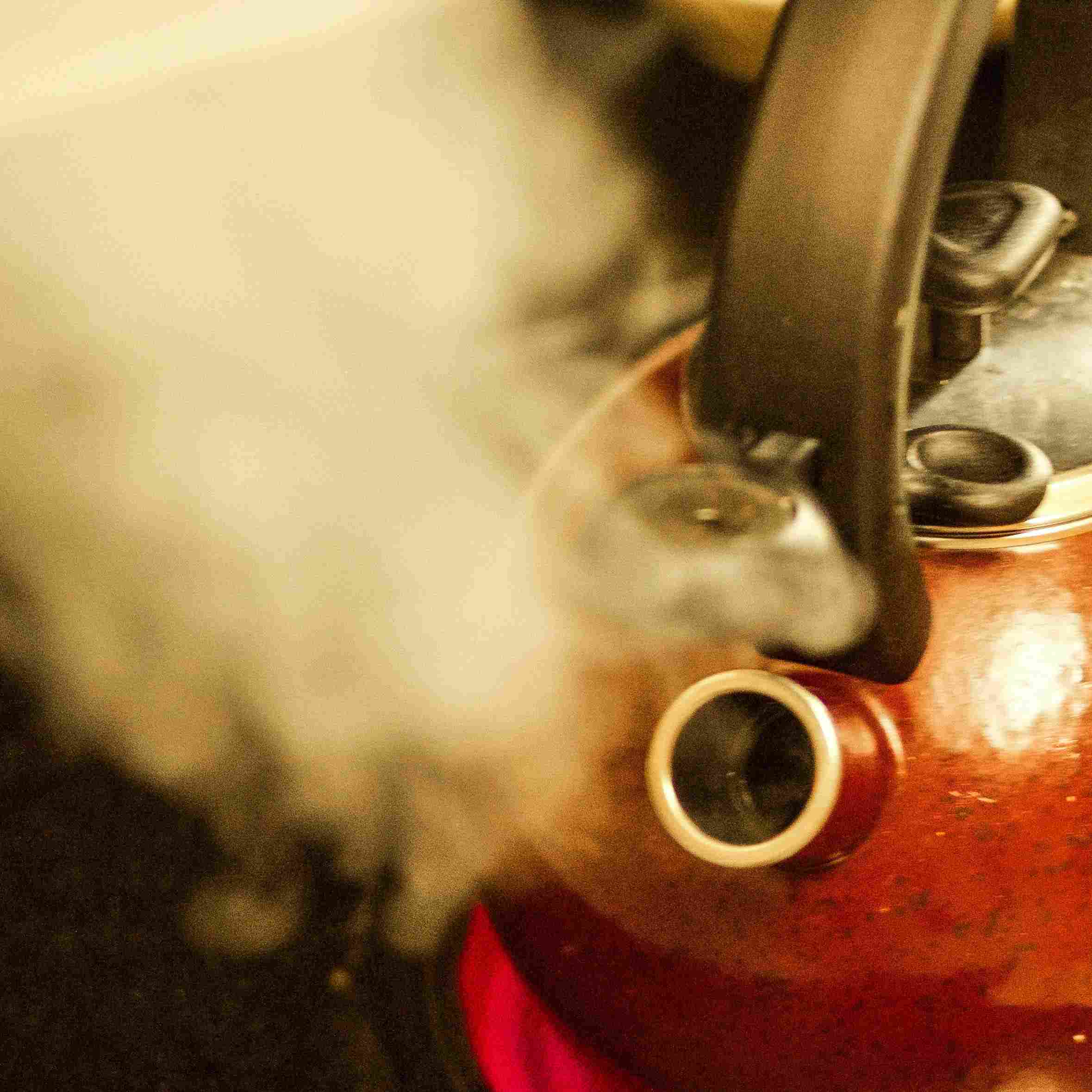
I was in a restaurant in Shanghai when I asked for a glass of water.
The waiter brought me a steaming cup. Not cold. Not iced. Hot.
I stared at it. I had walked 20 minutes in 32-degree heat. I was sweating. And they brought me hot water.
I asked for cold water. The waiter looked confused. “Cold water is not good for you,” she said.
That was my first lesson in one of China’s most surprising cultural habits: the love of hot water.
The Free Hot Water Everywhere
A few days later, I noticed something strange.
In every train station, airport, and office building, there was a hot water dispenser. Free. Unlimited.
In parks, there were public thermoses. In hospitals, water stations. In schools, every classroom had one.
I started carrying a thermos — not because I wanted to, but because it felt like the only way to fit in.
The Cost of Water in Europe
In Europe, a glass of hot water in a café costs money — often €2 or €3.
In China, hot water is free. Everywhere. All the time.
I once paid €3.50 for hot water in a Paris café. I could have bought a whole thermos in China for that price.
The Science: Why Hot?
The Chinese belief in hot water comes from traditional medicine.
In Chinese medicine, the body has “hot” and “cold” energies. Cold water disrupts the balance. Hot water helps digestion, warms the stomach, and keeps the body in harmony.
When I first heard this, I thought it was old-fashioned. But then I noticed something: my Chinese friends rarely got stomach aches. They drank hot water year-round — summer and winter.
I started drinking hot water too. Not because I believed in it, but because I got tired of being the only one asking for ice.
The Drink They Call “Cold Boiled Water”
There’s a drink in China called liáng bái kāi (凉白开). It means “cold boiled water.” It’s water that was boiled, then cooled down.
It’s sold in bottles in every convenience store. It’s not cold. It’s not hot. It’s room temperature — but it’s been boiled.
At first, it felt like a contradiction. Why boil water and then cool it? But it makes sense. Boiling kills bacteria, and cooling it makes it drinkable.
I started buying it. Not because I loved it, but because it was the only bottled water that didn’t give me a stomach ache.
The Airport Surprise
One day at Beijing airport, I saw something I still can’t believe.
A European tourist asked for hot water at a café. The cashier said: “3 yuan.”
That’s about 40 euro cents. Then the tourist pointed at the free hot water dispenser across the hall. “But it’s free over there.”
The cashier shrugged: “That’s for everyone. Here, you pay for the cup.”
It’s funny. In Europe, you pay for the water. In China, you pay for the cup.
What I Learned
China’s hot water culture taught me something bigger than a drinking habit.
It taught me that comfort looks different in different places.
In Europe, we want cold water on a hot day. In China, they want hot water — because it makes the body feel calm, not shocked.
In Europe, water is a product. In China, water is a service.
When I finally went back to Europe, I found myself asking for hot water at a café.
The waiter looked at me like I was crazy.
I smiled. “You wouldn’t understand,” I said. “I’ve been to China.”
Story by YOGOTOCHINA
Based on real experiences drinking water in China.
✦ Ready to explore China?
Find your tour →