The Color Red: Why China Loves It and What It Really Means
Deep Culture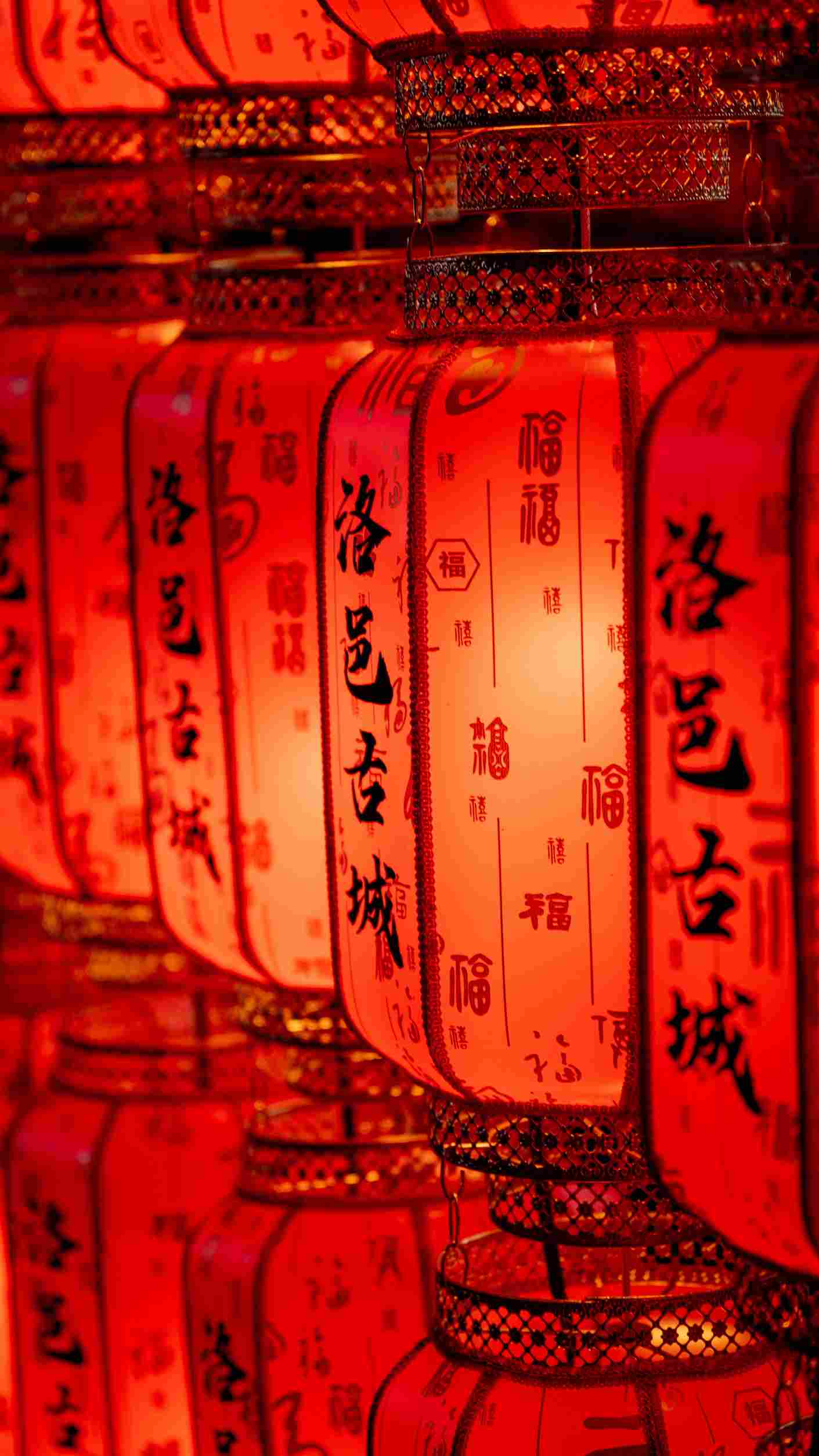
I noticed it on my first day in Beijing. The Forbidden City walls were the color of dried blood. The lanterns hanging in hutongs were the color of ripe cherries. The envelopes at the Spring Festival stalls were the color of fire.
Red was everywhere. But I didn’t understand why.
When I asked a Chinese friend, she said: “It’s just our color.” She said it like it was obvious. Like asking why the sky is blue.
It took me a year to understand that she was wrong. Red is not “just” a color in China. It’s a language.
The Origins: How Red Became Chinese
The story of red in China goes back thousands of years.
The Earth Connection
In ancient times, Chinese people believed in the Five Elements (wood, fire, earth, metal, water). Each element had a color. Red was the color of fire. Fire was the element of the south, of summer, of life and growth.
Red was also the color of the god of fortune. People would paint red on doors and walls to invite good luck and drive away evil spirits.
The Emperor’s Color
Later, red became associated with imperial power. The Forbidden City was painted red — not for beauty, but for authority. The emperor was the Son of Heaven, and his palace had to reflect the power of the gods. Red was considered the noblest color.
The Symbolism: What Red Means Today
Happiness and Good Fortune
Red is the color of Chinese New Year. It’s the color of weddings. It’s the color of births and birthdays and celebrations. It’s the color of the word “hóng” (红), which also means “success” and “prosperity.”
When you see red in China, you’re seeing an invitation to hope.
Protection
In traditional Chinese belief, red drives away evil spirits. That’s why you see red decorations during festivals, red strings tied around children’s wrists, and red banners hanging over doorways.
The belief is ancient, but it’s still alive. I’ve seen young professionals in Shanghai tie red ribbons on their office doors.
Communism and Revolution
In modern China, red also carries political meaning. The Chinese flag is red. The Communist Party uses red as its official color. During the Cultural Revolution, red was everywhere — clothes, badges, posters.
This layer of meaning makes red more complex. It’s not just a traditional color; it’s also a political one.
Red in Daily Life
Chinese New Year (春节)
No color dominates the world’s largest celebration like red does. Red envelopes (hóngbāo) filled with money. Red couplets on doors. Red lanterns lighting up the streets. Red is the winter color of hope.
Every year, during the Spring Festival, China’s streets turn red. It’s a reminder that renewal is coming.
Weddings
In traditional Chinese weddings, the bride wears red. It’s not the white of Western weddings. It’s the red of joy, fertility, and family. A red dress worn by a new bride is a promise of happiness.
Everyday Objects
Go into any Chinese home and you’ll see red: a red calendar on the wall, red chopsticks, a red teacup. It’s not special — it’s just part of the furniture.
What Red Means to Me
After a year in China, I started seeing red differently. It’s no longer just a color. It’s a feeling. When I see red lanterns, I think of family gatherings. When I see red envelopes, I think of generosity. When I see the red flag, I think of a nation that has seen everything — war, poverty, revolution, and growth.
Red is not just the color of China. It’s the color of its pulse.
Why This Matters for Travelers
Understanding red helps you understand the Chinese people. When you see red everywhere, you’re not seeing decoration — you’re seeing a worldview.
- A red wedding dress isn’t just a dress. It’s a promise.
- A red lantern isn’t just a lantern. It’s a wish.
- A red envelope isn’t just money. It’s a blessing.
Come See It for Yourself
You can read about Chinese culture in books. You can watch documentaries. But nothing prepares you for the intensity of red on the streets of Beijing during Spring Festival, or the quiet red of a village wedding in the countryside.
Some things have to be experienced.
Book a tour that shows you the real China →
Story by YOGOTOCHINA
Based on observations and conversations during a year living in China.
✦ Ready to explore China?
Find your tour →